


An air-conditioned dog house can be a practical investment to keep your dogs cool, but it may not be as easy a decision as it seems. Before you consider buying one, ask yourself:
- Does my dog actually need one?
- What type of setup makes the most sense?
- What features make it safe, effective, and worth the investment?
The size of the structure, insulation, ventilation, climate, and your dog’s individual needs all play a role in determining if an air-conditioned dog house is a smart investment. In some situations, it can provide meaningful comfort and peace of mind. In others, a different kennel setup may be more practical and cost-effective.
In this article, we’ll walk you through these factors to help you make a more informed decision and create an outdoor space that supports your dog’s comfort throughout the hottest months of the year.
Does Your Dog Need an Air Conditioned Dog House?

Not every dog needs active cooling outdoors. The answer depends on your climate, your dog’s age and breed, how long the dog stays outside, and how the current shelter is built.
For some setups, shade and ventilation help enough. For others, active cooling becomes far more important for comfort, consistency, and safer daily conditions.
When an Air-Conditioned Dog House Makes Sense
An air-conditioned dog house may be worth considering if your dog faces a higher risk of heat stress or spends significant time outdoors during hot weather.
Common situations include:
- You live in a region with prolonged periods of extreme heat and humidity.
- Your dog spends several hours outdoors each day.
- Your dog is a brachycephalic breed, such as a Bulldog, Pug, or Boxer.
- Your dog is elderly or has health conditions that make temperature regulation more difficult.
- Your dog has a thick double coat and struggles in hot weather.
- Your property offers limited natural shade throughout the day.
- You need a dependable cooling solution while you’re away from home.
In these cases, air conditioning can help create a more comfortable environment and provide an extra layer of protection during peak summer temperatures.
When Shade and Ventilation May Be Enough
For many dogs, a well-designed outdoor shelter with proper ventilation can provide adequate comfort without the added cost and maintenance of air conditioning.
Shade and ventilation are often sufficient when:
- Summer temperatures are generally moderate.
- Your dog has regular access to cooler indoor spaces.
- The dog house remains shaded throughout the day.
- The structure includes adequate ventilation to promote airflow.
- Your dog spends limited time outdoors during the hottest parts of the day.
- Fresh drinking water is always available.
A kennel or dog house that is properly positioned, insulated, and ventilated can stay noticeably cooler than one exposed to direct sunlight. In many climates, these design features are the first improvements worth considering before investing in air conditioning.
Dog House vs. Dog Kennel: What’s the Difference?
While the terms are often used interchangeably, a dog house and a dog kennel serve different purposes. A dog house is typically a small shelter designed primarily for resting and protection from the elements. A dog kennel provides a larger enclosed space that combines shelter, containment, and an attached run for daily activity.
For dogs that spend significant time outdoors, many owners find that a climate-controlled kennel offers greater flexibility than a traditional doghouse. These structures can incorporate insulation, ventilation, heating, cooling, and attached runs to create a more complete outdoor environment.
What Type of Setup Makes the Most Sense?

An air-conditioned dog house is one option for keeping dogs comfortable in hot weather, but it is not always the best solution. The right setup depends on your climate, your dog’s needs, and how the space will be used.
Shade and Ventilated Shelters
For dogs that spend limited time outdoors, a well-shaded shelter with proper ventilation may provide enough comfort without active cooling.
Insulated Dog Houses
Insulation helps reduce heat transfer and maintain more consistent temperatures. In moderate climates, an insulated dog house may provide sufficient protection from summer heat without the need for air conditioning.
Air-Conditioned Dog Houses
Air-conditioned dog houses are best suited for hot climates and dogs that spend extended time outdoors. They provide more active temperature control than standard insulated shelters and can be a practical solution when shade and ventilation alone are not enough.
Climate-Controlled Dog Kennels
For multiple dogs or dogs that spend significant time outdoors, a climate-controlled kennel with an attached run may be a better long-term solution than a traditional dog house.
These structures combine shelter, insulation, ventilation, heating, cooling, and a dedicated exercise space into a single environment. They provide dogs with more room to move comfortably while maintaining greater control over temperature and airflow year-round.
What Features Make an Air-Conditioned Dog House Effective
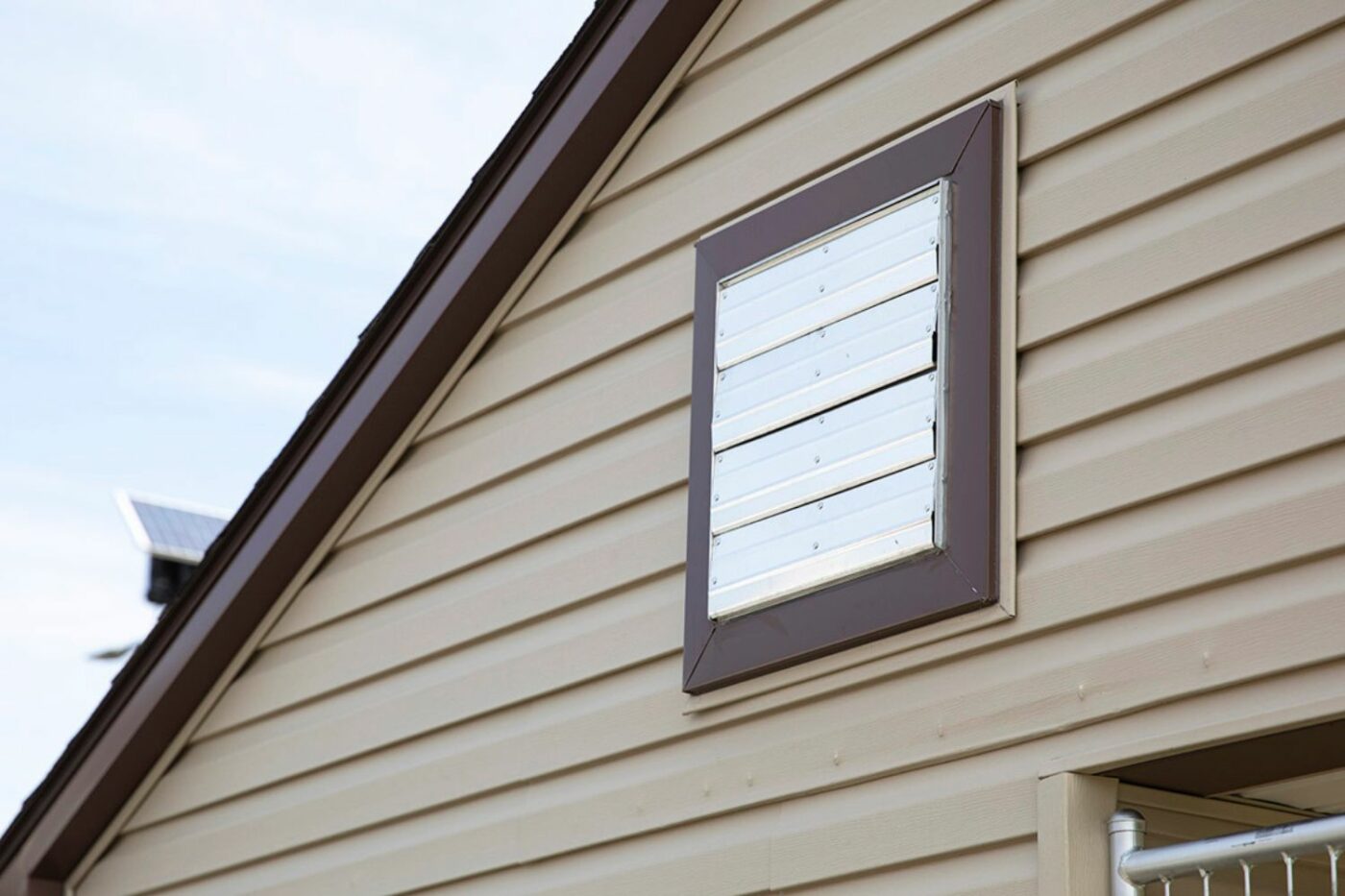
To build an effective air-conditioned dog house, layout is everything. Adding an air conditioning unit alone will not guarantee a comfortable environment for your dog. The structure itself plays a major role in cooling performance. Insulation, ventilation, sizing, and material quality all work together to help the space stay comfortable while reducing strain on the cooling system.
1. Start With Proper Insulation
Insulation is one of the most important components of an air-conditioned dog house. Without it, heat can quickly enter through the walls, roof, and floor, forcing the air conditioner to work harder to maintain a comfortable temperature.
Make sure there is insulation in the:
A well-insulated structure improves cooling efficiency, reduces energy use, and creates a more consistent indoor environment during hot weather.
2. Prioritize Ventilation & Airflow
Air conditioning and ventilation should work together. While insulation helps keep cool air inside, proper airflow helps prevent heat buildup and stale air.
Key considerations include:
- Strategic vent placement
- Consistent airflow throughout the structure
- Adequate air exchange to reduce stagnant hot spots
A dog house should feel comfortable and well-ventilated, not sealed off from fresh air.
3. Choose the Right Size
The size of the dog house affects both comfort and cooling efficiency. A structure that is too large may require more cooling capacity than necessary, while one that is too small can restrict movement and airflow.
The space should provide enough room for your dog to stand, turn around, lie down comfortably, and benefit from consistent air circulation without creating excessive unused space.
4. Select Durable, Weather-Resistant Materials
The materials used in an air-conditioned dog house directly affect how well it holds cool air and manages moisture. Even a properly sized AC unit can struggle if the structure allows heat to penetrate easily or creates condensation issues.
Look for features such as:
- Insulated wall, roof, and floor systems
- Roofing materials that reduce heat absorption
- Moisture-resistant interior surfaces
- Durable construction that minimizes air leaks and drafts
- Materials designed to handle changing temperatures and humidity levels
A well-built structure helps the air conditioning system operate more efficiently, maintain a more consistent temperature, and reduce unnecessary wear on the equipment over time.
5. Don’t Overlook Electrical Safety
With an AC unit, safe electrical installation and proper equipment protection are key for protection in outdoor conditions and minimizing potential hazards.
Important considerations include:
- Protected wiring
- Weather-rated electrical components
- Secure unit placement
- Protection from moisture exposure
- Limited access to cords and equipment
If you’re considering a custom kennel or dog house, ask how electrical systems are integrated and protected as part of the design.
Types of Air-Conditioning Options for Dog Kennels

There are different cooling systems depending on your needs, how often the space is used, and what best fits your structure.
- Window AC Units: Best for small to medium-sized dog houses and kennels that need a cost-effective cooling solution.
- 110-Volt AC Units: Best for residential setups where standard household power is available.
- Through-the-Wall AC Units: Best for permanent kennel installations that require dedicated cooling without taking up interior space.
- Mini-Split Systems: Best for larger kennels, multi-dog setups, and climate-controlled kennel buildings that need efficient, consistent cooling.
- Heat and AC Units: Best for owners who want year-round climate control with both heating and cooling capabilities.
- Portable Air Conditioners: Best for temporary cooling needs or situations where a permanent installation is not practical.
Is an Air-Conditioned Dog House Worth It?

An air-conditioned dog house can be a worthwhile investment for dogs that spend significant time outdoors, live in hot climates, or need additional temperature control due to breed, age, or health concerns.
At the same time, not every dog requires active cooling. In many situations, shade, ventilation, insulation, and thoughtful shelter design can provide sufficient comfort.
For dogs that spend extended time outdoors, a climate-controlled kennel may offer a more complete solution by combining shelter, ventilation, insulation, temperature control, and space for daily activity in one structure.
The most effective setups combine multiple features, including insulation, airflow, proper sizing, and climate control when needed. By evaluating your dog’s needs and your local climate, you can choose a solution that provides comfort, efficiency, and long-term value.
FAQs About Air Conditioned Dog Houses
Build An Air-Conditioned Dog Kennel With The Dog Kennel Collection

While an air-conditioned dog house can be a practical solution in some situations, many owners benefit from a more complete climate-controlled kennel. A kennel with a sheltered interior and attached run gives dogs more room to move while supporting better airflow, comfort, and daily use.
At The Dog Kennel Collection, we build custom dog kennels tailored to your dogs, property, and routine. From climate control and ventilation to flooring, roofing, insulation, and layout options, our team can help you design a kennel that supports comfort, durability, and long-term value.
Explore our custom kennel options or talk with our team about designing a climate-controlled kennel built around your needs.
